
Working Internationally

Youth Boundless is an Ontario-incorporated not-for-profit working in Canada, Uganda, and Kenya to advance education, relieve poverty, and promote youth wellbeing and human rights.
When we work outside Canada, we use clear program plans, written documentation, budgeting, reporting, and monitoring to ensure resources support activities aligned with our charitable purposes.
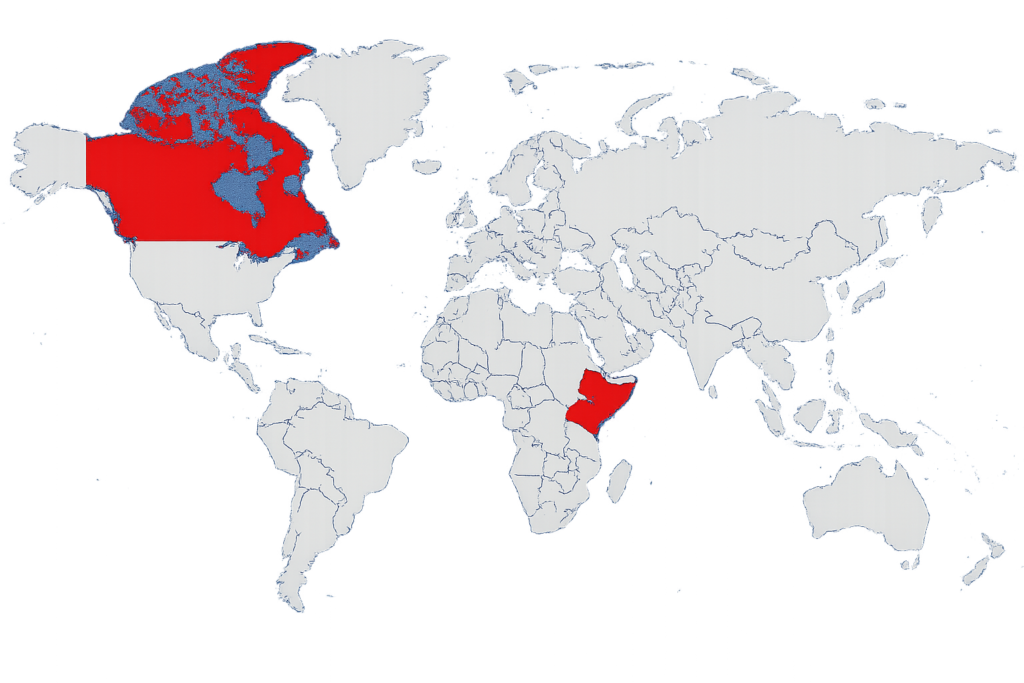
Initial focus locations: Uganda • Kenya • Canada
We prioritize communities where marginalized youth face barriers such as poverty, discrimination, and limited access to education and safe opportunities, and where credible local partners can support ethical, effective delivery.
How we deliver support internationally
1) Education support paid directly to schools/training institutions
- Where feasible, Youth Boundless supports education by paying tuition fees directly to a school, training institute, or exam body on behalf of an approved beneficiary.
- How it works
- Youth Boundless sets eligibility criteria and required documentation.
- Local partners may identify or nominate candidates using the set criteria.
- Youth Boundless confirms eligibility and makes the final selection decision.
- We obtain proof of enrollment and a fee statement/invoice from the institution.
- Payments are made to the institution, and we retain records (approvals, invoices, payment proof, and receipts where available).
2) Intermediaries supporting delivery and accountability
In some cases, Youth Boundless works through intermediaries (local organizations or individuals) to support program delivery and accountability. This may include:
- identifying and verifying beneficiaries against Youth Boundless criteria
- coordinating mentorship and follow-up
- supporting workshops and youth development activities
- confirming participation milestones and collecting progress updates (in a privacy-respecting way)
When we use intermediaries, we document roles and expectations in writing and maintain oversight through budgets, reporting requirements, and ongoing monitoring.
How we select partners
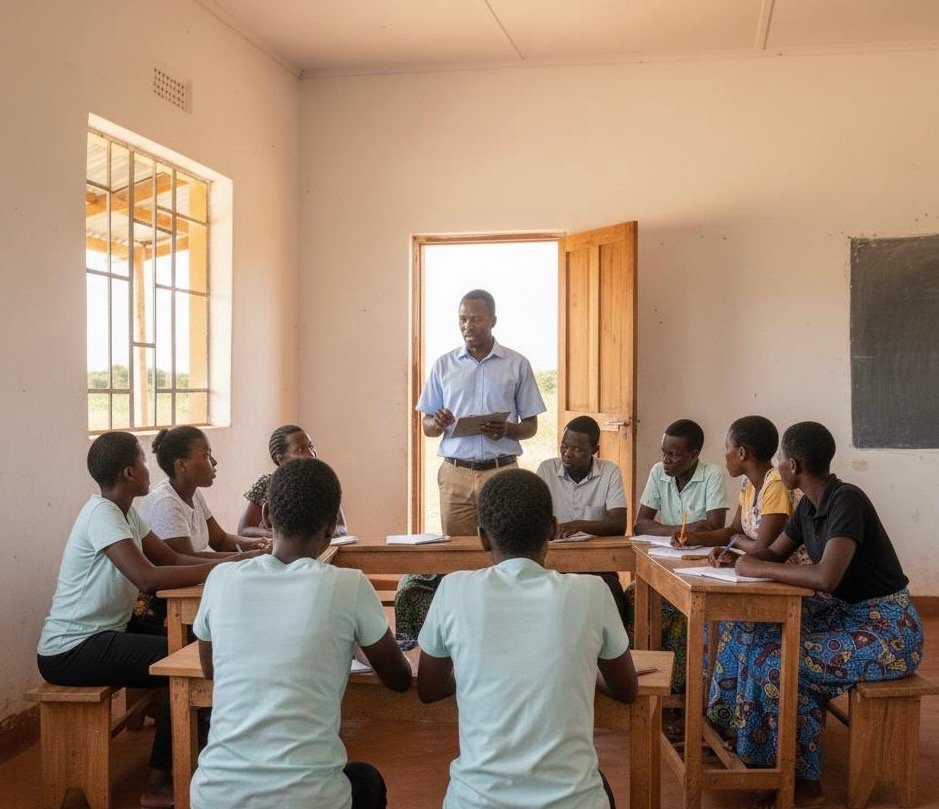
We collaborate with organizations that support marginalized youth affected by discrimination, exclusion, and human rights related challenges.
Before partnering, we consider: demonstrated community credibility and responsible leadership alignment with Youth Boundless purposes and program areas safeguarding capacity (youth protection practices, consent, privacy, ethical storytelling) ability to manage basic records and reporting
Agreements, budgets, and reporting
For international work, Youth Boundless uses practical documentation such as:
- a program plan (objectives, location, target beneficiaries, activities, timelines)
- an approved budget (what funds will be used for)
- written partnership terms (roles, deliverables, reporting schedule, safeguards)
- periodic activity and financial updates proportional to the program and risk level
Monitoring, evaluation, and learning
We track progress so programs remain effective and accountable. Depending on the activity, we monitor:
- outputs (e.g., scholarships supported, sessions delivered, youth reached)
- outcomes (e.g., attendance/retention, skills milestones, enterprise readiness where applicable)
- beneficiary feedback and partner performance
- improvements made based on evidence and learning
Recordkeeping and transparency
We maintain program and financial documentation to demonstrate how resources were used and what outcomes were achieved. Records related to work outside Canada are maintained in Canada to support transparency and strong governance.
Partner with Youth Boundless
If your organization supports marginalized youth in Uganda, Kenya, or Canada and you’re interested in partnership, we’d like to hear from you.
Our commitment
We design international programs with accountability measures, partner due diligence, written documentation, reporting, and monitoring to ensure resources are used for charitable purposes and to deliver measurable community benefit.